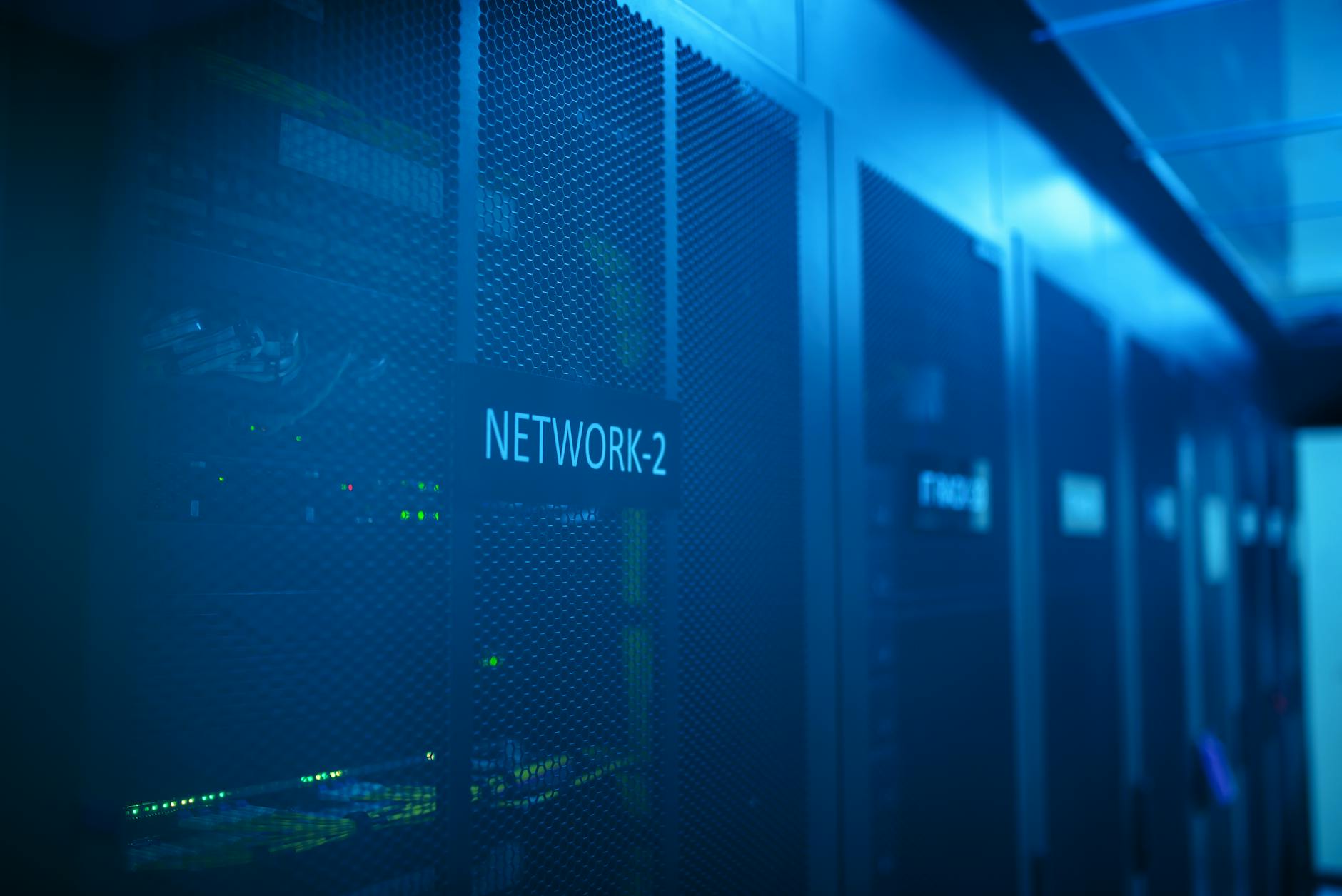
Understanding Next-Generation Firewalls
As cyber threats continue to evolve in sophistication and complexity, traditional firewalls have become insufficient for protecting modern network infrastructures. Next-generation firewalls (NGFWs) represent a significant leap forward in network security, combining traditional firewall capabilities with advanced threat detection and prevention features. This comprehensive guide will help you understand what makes NGFWs essential for today’s cybersecurity landscape.
Table of Contents
- What Are Next-Generation Firewalls?
- Key Features of NGFWs
- Traditional Firewalls vs. Next-Generation Firewalls
- How Next-Generation Firewalls Work
- Benefits of Implementing NGFWs
- Deployment Considerations
- Choosing the Right NGFW Solution
What Are Next-Generation Firewalls?
Next-generation firewalls are advanced network security devices that go beyond traditional port and protocol inspection. While conventional firewalls operate primarily at the network and transport layers of the OSI model, NGFWs extend their reach to the application layer, providing deeper visibility and more granular control over network traffic.
These sophisticated security appliances integrate multiple security functions into a single platform, eliminating the need for separate point solutions. By consolidating intrusion prevention systems, application control, and threat intelligence into one unified system, NGFWs simplify security management while enhancing protection against modern cyber threats.
Key Features of NGFWs
Application Awareness and Control
One of the most distinguishing features of NGFWs is their ability to identify and control applications regardless of port, protocol, or evasive tactics. Unlike traditional firewalls that simply allow or block traffic based on ports, NGFWs can recognize specific applications like Skype, Dropbox, or social media platforms and apply granular policies to each.
Integrated Intrusion Prevention System (IPS)
NGFWs include built-in intrusion prevention capabilities that actively monitor network traffic for malicious activity and known attack patterns. The IPS component examines packet contents and compares them against a database of threat signatures, blocking suspicious traffic before it reaches your network resources.
Deep Packet Inspection (DPI)
Deep packet inspection allows NGFWs to examine the entire contents of data packets, not just their headers. This comprehensive analysis helps identify hidden threats, malware payloads, and unauthorized data transfers that would otherwise slip through traditional firewall defenses.
SSL/TLS Inspection
With the majority of web traffic now encrypted, NGFWs provide SSL/TLS inspection capabilities to decrypt, inspect, and re-encrypt encrypted traffic. This ensures that malware and threats cannot hide within encrypted connections, which have become a common attack vector.
Advanced Threat Protection
Modern NGFWs incorporate advanced threat protection mechanisms including sandboxing, machine learning, and behavioral analysis. These features help identify zero-day exploits and previously unknown threats that signature-based detection might miss.
Traditional Firewalls vs. Next-Generation Firewalls
Traditional firewalls operate using stateful inspection, examining traffic based on IP addresses, ports, and protocols. They maintain a state table to track active connections and apply rules based on predefined policies. While effective for basic network segmentation, traditional firewalls lack the intelligence to identify specific applications or detect sophisticated threats.
Next-generation firewalls build upon this foundation by adding context-aware capabilities. They can identify users, applications, and content within the traffic flow, enabling administrators to create policies based on business requirements rather than technical limitations. For organizations seeking comprehensive endpoint monitoring alongside network protection, solutions like SentryPC can complement NGFW deployments by providing detailed visibility into user activities and device behavior.
How Next-Generation Firewalls Work
NGFWs employ a multi-layered approach to traffic inspection and threat prevention. When a data packet enters the firewall, it undergoes several stages of analysis:
Initial Packet Processing
The NGFW first performs traditional stateful inspection, verifying that the packet belongs to a legitimate connection and checking it against basic access control rules.
Application Identification
Next, the firewall analyzes the packet payload to identify the specific application generating the traffic. This process uses various techniques including protocol decoding, behavioral analysis, and signature matching.
User and Device Identification
Modern NGFWs integrate with identity management systems to determine which user and device are associated with the traffic. This enables user-based policies that follow users across the network.
Threat Analysis
The traffic then undergoes comprehensive threat analysis, including IPS signature matching, malware detection, and comparison against threat intelligence feeds. Suspicious files may be sent to a sandbox environment for behavioral analysis.
Policy Enforcement
Finally, the NGFW applies the appropriate security policy based on the application, user, content, and risk assessment. The packet is either allowed, blocked, or subjected to additional scrutiny.
Benefits of Implementing NGFWs
Enhanced Security Posture
NGFWs provide comprehensive protection against a wide range of threats, from basic network attacks to sophisticated advanced persistent threats (APTs). Their multi-layered approach ensures that even if one security mechanism fails, others remain in place to protect your network.
Simplified Security Management
By consolidating multiple security functions into a single platform, NGFWs reduce complexity and streamline security administration. IT teams can manage all security policies from a unified interface, reducing the likelihood of misconfigurations and security gaps.
Improved Visibility and Control
The application awareness capabilities of NGFWs provide unprecedented visibility into network traffic patterns and user behavior. Administrators can see exactly which applications are being used, by whom, and for what purposes, enabling data-driven security decisions.
Regulatory Compliance
Many compliance frameworks require organizations to implement specific security controls and maintain detailed audit trails. NGFWs help meet these requirements through comprehensive logging, reporting, and policy enforcement capabilities.
Deployment Considerations
Performance Impact
The advanced inspection capabilities of NGFWs require significant processing power. Organizations must carefully assess their throughput requirements and select hardware that can handle the expected traffic volume without introducing latency or becoming a bottleneck.
Policy Planning
Successful NGFW deployment requires careful planning of security policies. Organizations should start by identifying critical applications and data flows, then develop policies that balance security requirements with business needs. Begin with monitoring mode before enforcing strict blocking policies to avoid disrupting legitimate business activities.
Network Architecture
Consider where NGFWs should be deployed within your network architecture. Common deployment scenarios include perimeter protection, internal segmentation, and data center security. Many organizations implement a defense-in-depth strategy using NGFWs at multiple points within their infrastructure. For remote workers and distributed teams, combining NGFWs with secure remote access solutions like NordVPN ensures consistent protection regardless of user location.
Staff Training
NGFWs offer sophisticated capabilities that require knowledgeable administrators to configure and manage effectively. Invest in training for your security team to ensure they can leverage the full potential of your NGFW investment.
Choosing the Right NGFW Solution
Assess Your Requirements
Start by evaluating your organization’s specific security needs, including the number of users, traffic volume, application mix, and compliance requirements. Consider both current needs and anticipated growth over the next few years.
Evaluate Performance Specifications
Pay close attention to performance metrics, particularly throughput with all security features enabled. Vendors often advertise maximum throughput numbers that don’t reflect real-world performance with DPI, IPS, and SSL inspection active simultaneously.
Consider Management and Integration
Look for solutions that offer intuitive management interfaces and integrate well with your existing security infrastructure. Cloud-based management platforms can simplify administration across multiple locations and devices.
Review Threat Intelligence Capabilities
Evaluate the vendor’s threat intelligence capabilities, including update frequency, coverage breadth, and integration with third-party threat feeds. The effectiveness of an NGFW depends heavily on the quality and timeliness of its threat intelligence.
Total Cost of Ownership
Consider not just the initial hardware costs but also licensing fees, subscription renewals, support contracts, and operational expenses. Some vendors charge separately for different security features, which can significantly increase the total cost over time.
Next-generation firewalls represent a critical component of modern cybersecurity strategies, providing the advanced protection necessary to defend against today’s sophisticated threat landscape. By understanding their capabilities, benefits, and deployment considerations, organizations can make informed decisions about implementing NGFWs to protect their valuable digital assets and maintain business continuity in an increasingly hostile cyber environment.
Follow Networkyy
Join 125,000+ IT professionals: