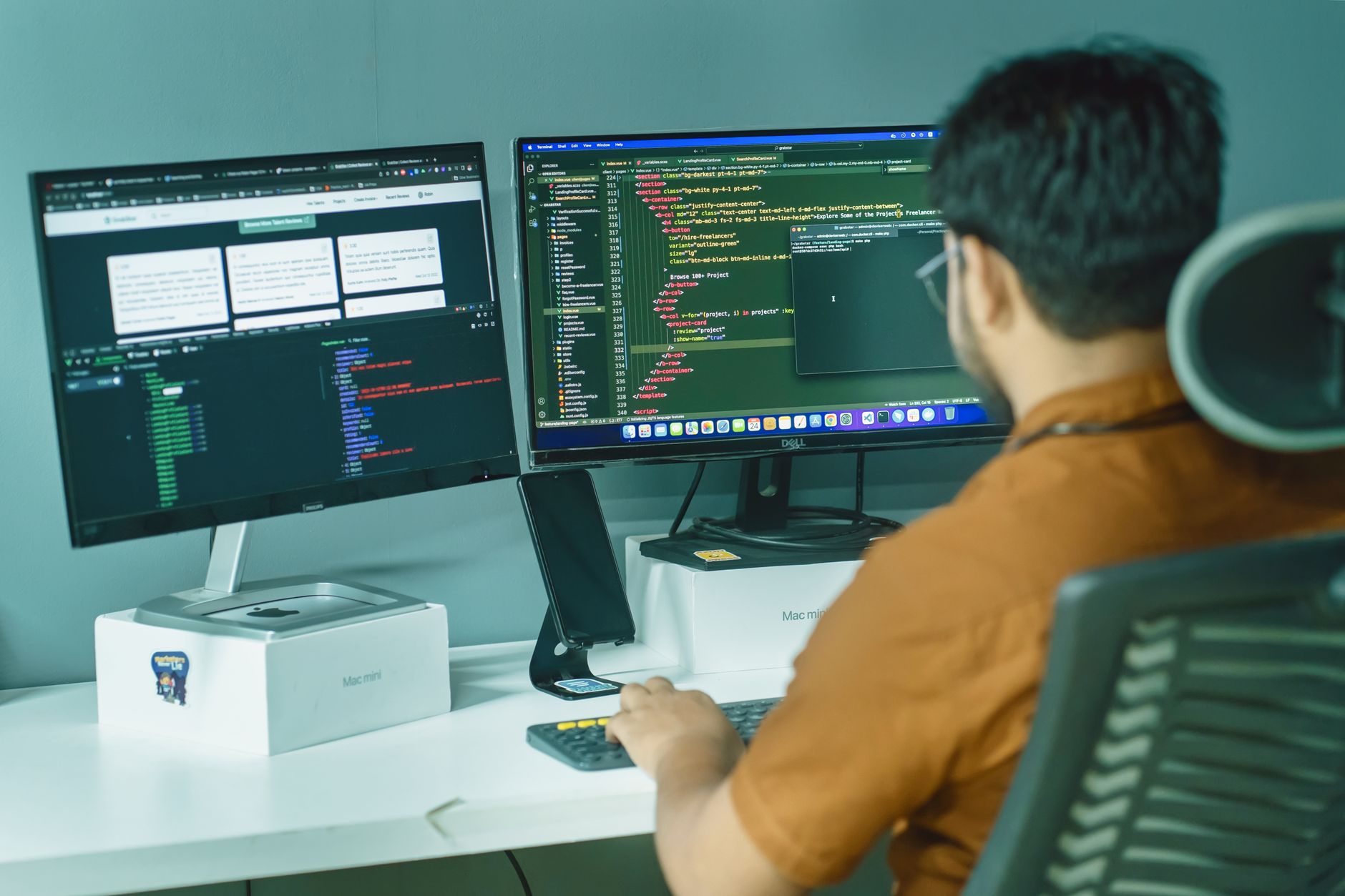
How to Prepare for an IT System Administrator Interview
Landing an IT system administrator position requires more than just technical knowledge—it demands thorough preparation, strong communication skills, and the ability to demonstrate your problem-solving capabilities under pressure. Whether you’re pursuing your first sysadmin role or advancing your career, preparing effectively for the interview can make the difference between success and disappointment.
This comprehensive guide will walk you through everything you need to know to ace your IT system administrator interview, from mastering technical concepts to handling behavioral questions with confidence.
Table of Contents
- Understanding the System Administrator Role
- Technical Skills Preparation
- Common Interview Questions and Answers
- Hands-On Practice and Lab Scenarios
- Developing Essential Soft Skills
- Interview Day Best Practices
- Post-Interview Follow-Up
Understanding the System Administrator Role
Before diving into preparation, you need a clear understanding of what system administrators actually do. Sysadmins are responsible for maintaining, configuring, and ensuring the reliable operation of computer systems, especially multi-user computers such as servers. Their duties typically include user administration, system monitoring, backup and recovery, security implementation, and troubleshooting.
Different organizations have varying expectations for this role. Some focus heavily on Windows Server environments, while others prioritize Linux systems. Research your prospective employer thoroughly to understand their technology stack and tailor your preparation accordingly.
Technical Skills Preparation
Operating Systems Mastery
System administrators must demonstrate proficiency in at least one major operating system. For Linux-based roles, familiarize yourself with common distributions like Ubuntu, CentOS, or Red Hat Enterprise Linux. Practice essential commands such as:
systemctlfor managing servicesgrep,awk, andsedfor text processingchmodandchownfor permissions managementtop,htop, andpsfor process monitoringdf,du, andmountfor disk management
For Windows environments, understand Active Directory, Group Policy, PowerShell scripting, and Windows Server administration fundamentals.
Networking Fundamentals
Networking knowledge is non-negotiable for system administrators. Review the OSI model, TCP/IP protocol suite, DNS, DHCP, and routing concepts. Be prepared to explain how you would troubleshoot connectivity issues using tools like ping, traceroute, netstat, and nslookup.
Understanding firewall configurations, VPN setup, and basic network security principles will set you apart from other candidates.
Scripting and Automation
Modern sysadmins must embrace automation. Demonstrate competency in at least one scripting language—Bash, Python, or PowerShell. Be ready to write simple scripts during technical interviews, such as a basic backup script or a user account creation automation.
If you need to strengthen your scripting skills, platforms like Coursera offer excellent courses on Python programming and automation specifically tailored for IT professionals.
Common Interview Questions and Answers
Technical Questions
Prepare for questions like:
- How would you troubleshoot a server that’s running slowly? Walk through your systematic approach: checking CPU usage, memory consumption, disk I/O, network bandwidth, and reviewing logs.
- Explain the boot process of a Linux system. Describe BIOS/UEFI, bootloader (GRUB), kernel loading, init/systemd process, and runlevels.
- How do you secure a newly deployed server? Discuss hardening steps including disabling unnecessary services, configuring firewalls, implementing SSH key authentication, applying updates, and setting up monitoring.
- What’s the difference between RAID 1 and RAID 5? Explain mirroring versus striping with parity, discussing performance and redundancy tradeoffs.
Behavioral Questions
System administrators often face high-pressure situations. Interviewers assess your soft skills through questions like:
- Describe a time when you resolved a critical system outage.
- How do you prioritize multiple urgent requests?
- Tell me about a time you disagreed with a team member about a technical decision.
- How do you stay current with emerging technologies?
Use the STAR method (Situation, Task, Action, Result) to structure your responses, providing specific examples from your experience.
Hands-On Practice and Lab Scenarios
Theory alone won’t suffice—you need practical experience. Set up a home lab using virtualization software like VirtualBox or VMware. Create scenarios that mirror real-world situations:
- Deploy and configure a web server using Apache or Nginx
- Set up a database server and perform backup and restore operations
- Configure LDAP authentication or Active Directory integration
- Implement monitoring solutions using tools like Nagios or Zabbix
- Practice disaster recovery scenarios
Many employers include practical assessments during interviews. Being comfortable working with systems in real-time demonstrates genuine competency beyond memorized answers.
Developing Essential Soft Skills
Technical prowess means little if you can’t communicate effectively with team members and non-technical stakeholders. System administrators must translate complex technical concepts into understandable terms for management and end-users.
If English isn’t your first language or you want to improve your technical communication skills, consider working with a tutor on Preply who specializes in business and technical English.
Additional soft skills to emphasize include:
- Documentation skills—maintaining clear, comprehensive system documentation
- Time management—juggling multiple projects and priorities
- Customer service orientation—supporting end-users patiently
- Teamwork and collaboration—working effectively across departments
- Continuous learning—adapting to new technologies and methodologies
Interview Day Best Practices
On interview day, professionalism matters from the moment you arrive:
- Arrive 10-15 minutes early to demonstrate punctuality
- Dress appropriately for the company culture (when in doubt, business casual is safe)
- Bring multiple copies of your resume and a notepad
- Prepare thoughtful questions about the infrastructure, team structure, and growth opportunities
- Be honest about what you don’t know—it’s better to admit knowledge gaps than to bluff
During technical discussions, think aloud. Interviewers want to understand your problem-solving process, not just hear the final answer. If you’re unsure, explain how you would research the solution or which resources you’d consult.
Post-Interview Follow-Up
Your interview doesn’t end when you leave the building. Send a personalized thank-you email within 24 hours, referencing specific topics discussed and reiterating your interest in the position. This simple gesture demonstrates professionalism and keeps you top-of-mind.
If you’re asked to complete a technical assignment post-interview, treat it with the same seriousness as production work. Document your approach, include comments in your code or scripts, and deliver before the deadline.
Conclusion
Preparing for an IT system administrator interview requires a balanced approach combining technical knowledge, practical skills, and soft skills development. Focus on understanding core concepts deeply rather than memorizing answers superficially. Build hands-on experience through lab work, stay current with industry trends, and practice articulating your knowledge clearly.
Remember that interviews are two-way conversations. While the employer evaluates your fit for their organization, you should assess whether the role aligns with your career goals and values. With thorough preparation and genuine enthusiasm for the field, you’ll position yourself as a compelling candidate ready to tackle the challenges of system administration.
Approach your interview with confidence, authenticity, and a growth mindset. Your preparation will show through, and with the right combination of technical competence and professional presentation, you’ll be well-equipped to land your ideal system administrator position.
Follow Networkyy
Join 125,000+ IT professionals: