The world of artificial learning is evolving at an unprecedented pace.
From chatbots that write poetry to AI models that generate code, design graphics, or even compose music, the possibilities seem endless.
At the heart of this revolution is Generative AI, a branch of artificial intelligence that’s not just analyzing data but creating it.
Whether you’re a tech enthusiast, a professional looking to upskill, or simply curious about the future, understanding generative AI is no longer optional—it’s essential.
But where do you start? How can you transition from being a spectator to a creator in the world of AI?
The answer lies in structured, hands-on learning paths like Google’s Introduction to Generative AI Learning Path Specialization on Coursera.
This specialization is designed to demystify generative AI, making it accessible to everyone—regardless of their technical background.
In this article, we’ll explore what generative AI is, why it’s transforming industries, and how you can master its fundamentals through Google’s comprehensive course.
By the end, you’ll have a clear roadmap to dive into artificial learning and harness the power of AI for your projects or career.
What Is Generative AI, and Why Does It Matter?
Generative AI refers to a class of artificial intelligence models that can generate new content—text, images, audio, code, and more—based on the data they’ve been trained on.
Unlike traditional AI, which concentrates on classification or prediction, generative AI is about creation.
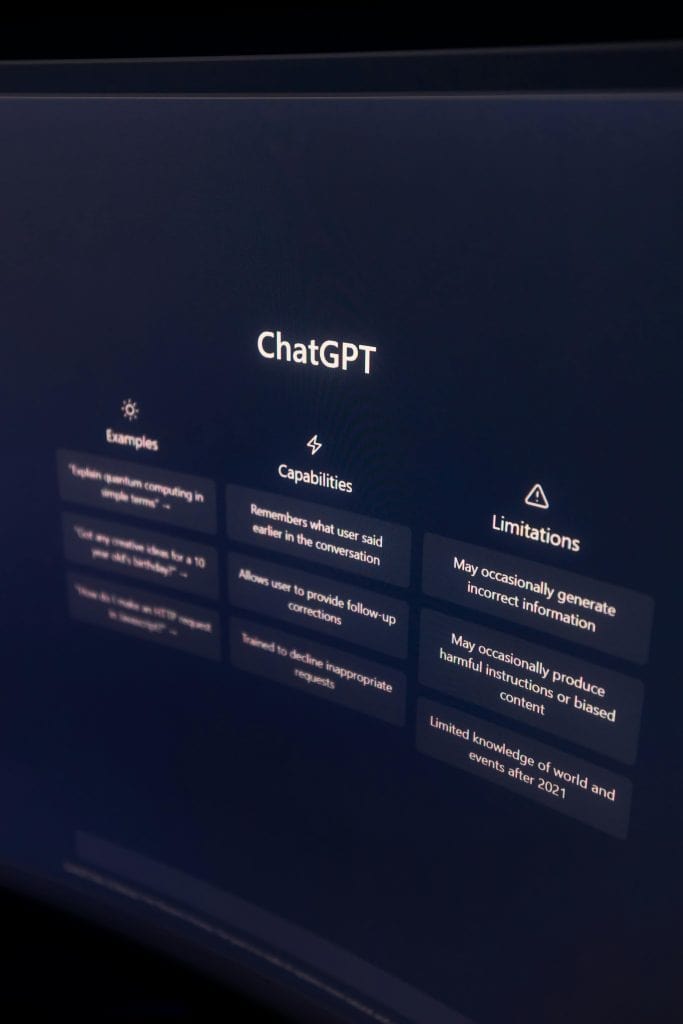
It’s the technology behind tools like ChatGPT, DALL-E, and Google’s Bard, which can write essays, create art, or even simulate conversations.
Why Is Generative AI a Game-Changer?
- Automation of Creative Tasks: Generative AI can automate tasks that were once considered uniquely human, such as writing, designing, or composing music. This doesn’t replace human creativity but augments it, allowing professionals to focus on higher-level strategy and innovation.
- Personalization at Scale: Businesses can use generative AI to create personalized content for millions of users, from tailored marketing messages to custom product recommendations.
- Accelerated Innovation: Developers and researchers can prototype ideas faster, using AI to generate code, simulate scenarios, or even suggest new hypotheses.
- Accessibility: Generative AI tools are becoming more user-friendly, enabling non-technical users to leverage AI without deep coding knowledge.
However, with great power comes great responsibility.
Ethical considerations—such as bias, misinformation, and job displacement—are critical topics in the generative AI conversation.
This specialization addresses these issues, ensuring learners understand not just how to use AI, but how to use it responsibly.
Google’s Introduction to Generative AI Learning Path: What’s Inside?
Google’s Introduction to Generative AI Learning Path Specialization on Coursera is a beginner-friendly program designed to introduce you to the world of generative AI.
It’s perfect for anyone curious about AI, regardless of their technical background.
Here’s what you can expect:
1. Foundations of Generative AI
The specialization starts with the basics: What is generative AI?
How does it differ from traditional machine learning? You’ll explore the core concepts behind large language models (LLMs) and their applications, from chatbots to content creation.
2. Hands-On with Google’s AI Tools
Google doesn’t just teach theory—it provides practical experience.
You’ll get hands-on with tools like Vertex AI Studio and Gemini, Google’s own generative AI models.
These tools allow you to prototype AI applications, fine-tune models, and even build your own AI-powered solutions.
3. Ethical AI and Responsible Use
One of the standout features of this specialization is its focus on responsible AI.
You’ll learn about the ethical implications of generative AI, including bias, privacy, and security.
This ensures you’re not just a user of AI, but a responsible one.
4. Real-World Applications
The courses include real-world case studies and projects, so you can see how generative AI is being used in industries like healthcare, finance, and entertainment.
You’ll also learn how to apply AI to your own workflows, whether you’re a marketer, developer, or business leader.
5. Certification and Career Growth
Upon completion, you’ll earn a certificate from Google Cloud, which you can add to your LinkedIn profile or resume.
This is a valuable credential for anyone looking to stand out in the job market or advance their career in tech.
Why Choose Google’s Specialization on Coursera?
With so many AI courses available, why should you choose Google’s Introduction to Generative AI Learning Path?
- Beginner-Friendly: No prior experience in AI or programming is required. The courses are designed to be accessible to everyone.
- Hands-On Learning: You won’t just watch videos—you’ll work with real AI tools and complete projects that reinforce your learning.
- Industry-Relevant Skills: Google is a leader in AI, and this specialization is taught by experts who are shaping the field. The skills you gain are directly applicable to real-world scenarios.
- Flexible and Self-Paced: You can learn at your own pace, fitting the courses around your schedule.
- Focus on Ethics: Unlike many AI courses, this one emphasizes responsible AI use, preparing you to navigate the ethical challenges of generative AI.
For anyone interested in artificial learning, this specialization is a fantastic starting point.
It’s not just about understanding AI—it’s about using it to create, innovate, and solve problems.
How Generative AI Is Transforming Industries
Generative AI isn’t just a buzzword—it’s already transforming industries:
- Healthcare: AI models are being used to generate synthetic medical data for research, assist in drug discovery, and even draft patient reports.
- Marketing: Brands use AI to create personalized ad copy, generate social media content, and optimize campaigns in real time.
- Entertainment: From AI-generated music to deepfake videos, generative AI is pushing the boundaries of creativity.
- Software Development: Developers use AI to write and debug code, speeding up the development process and reducing errors.
- Education: AI tutors and content generators are making learning more interactive and personalized.
The potential is limitless, but the key to unlocking it is education.
Courses like Google’s specialization on Coursera provide the knowledge and tools you need to be part of this transformation.
Common Misconceptions About Generative AI
As with any emerging technology, there are myths and misunderstandings about generative AI. Let’s clear up a few:
- “Generative AI Will Replace Humans”: AI is a tool, not a replacement. It augments human creativity and productivity, but the human touch—critical thinking, empathy, and judgment—remains irreplaceable.
- “You Need to Be a Coder to Use AI”: While coding helps, many generative AI tools are designed for non-technical users. Google’s courses, for example, are accessible to beginners.
- “Generative AI Is Only for Tech Companies”: AI is being adopted across industries, from retail to agriculture. Its applications are as diverse as the problems it solves.
- “AI Is Always Biased”: AI is only as good as the data it’s trained on. Responsible AI practices, like those taught in Google’s specialization, help mitigate bias and ensure fairness.
- “Generative AI Is Too Complex to Learn”: With the right resources, anyone can learn the basics of generative AI. Google’s courses break down complex concepts into digestible lessons.
FAQ: Your Questions About Artificial Learning and Generative AI Answered
1. What is generative AI?
Generative AI is a type of artificial intelligence that can create new content, such as text, images, or music, based on patterns it learns from existing data.
2. Do I need a technical background to take Google’s generative AI course?
No! The Introduction to Generative AI Learning Path Specialization is designed for beginners and requires no prior experience in AI or coding.
3. How long does it take to complete the specialization?
The specialization is self-paced, but most learners complete it in a few weeks by dedicating a few hours per week.
4. What will I be able to do after completing the course?
You’ll understand the fundamentals of generative AI, gain hands-on experience with Google’s AI tools, and be able to apply AI to real-world projects. You’ll also earn a certificate to showcase your skills.
5. Is generative AI only useful for tech professionals?
No! Generative AI has applications in marketing, healthcare, education, and more. The course is designed to be valuable for professionals in any field.
6. Are there ethical concerns with generative AI?
Yes, ethical considerations like bias, privacy, and misinformation are critical. Google’s specialization includes modules on responsible AI to address these issues.
7. Can I get a job with a certificate in generative AI?
While a certificate alone won’t guarantee a job, it demonstrates your skills and commitment to learning. Combined with projects and experience, it can significantly boost your employability in tech-related fields.
8. What tools will I learn to use in the course?
You’ll work with Google’s Vertex AI Studio and Gemini, among other tools, to prototype and build AI applications.
9. Is the course free?
Coursera offers financial aid for those who qualify. You can also audit some courses for free, but a certificate requires payment. Check the course page for the latest pricing and options.
10. How can I apply generative AI in my current job?
The course includes real-world case studies and projects that show how AI can be integrated into various roles, from automating tasks to generating insights. You’ll learn how to identify opportunities to apply AI in your workflow.